520-220-5047
1-877-MISS-DUI / 1-877-647-7384
Se Habla Español
945 N. Stone Ave, Tucson, AZ 85705

-

- Home
- About Us
- Attorneys
- Practice Areas
- DUI
- First Time DUI
- Extreme DUI
- Super Extreme DUI
- Aggravated DUI
- Repeat DUI Offenders
- Underage DUI
- CDL and DUI
- Driving Under the Influence of Marijuana
- Driving Under the Influence of Drugs
- The DUI Process in Arizona
- DUI Accidents
- What To Do If Pulled Over For DUI
- Arizona DUI Laws
- Do I Need a DUI Lawyer?
- 40 Ways to Beat a DUI in Arizona
- Criminal Defense
- Conducir Ebrio
- Defensa Criminal
- DUI
- Reviews
- Info Center
- Blog
- Contact
Tucson Driving Under the Influence of Drugs Defense Attorneys
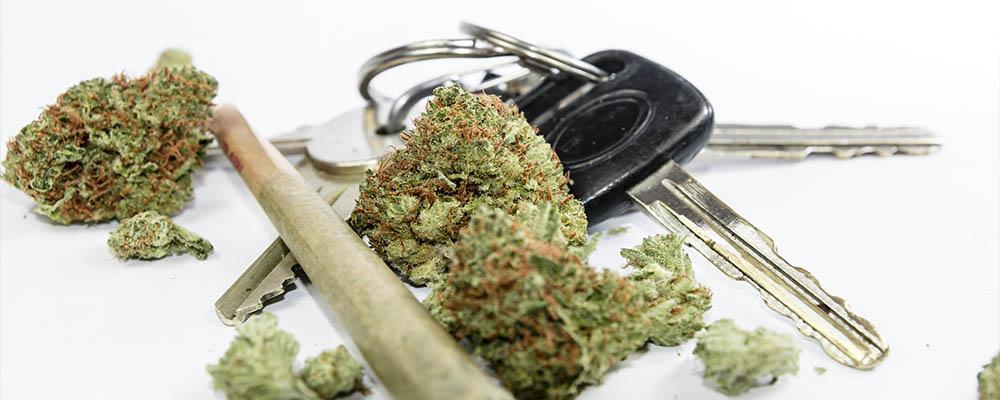
Aggressive Drug DUI Defense Lawyers in Pima County, AZ
If you have a blood alcohol concentration (BAC) of .08 percent or more within two hours of driving or being in actual physical control of a vehicle, you may be charged with a DUI. However, you should also be aware that DUI charges apply to drugs as well as alcohol. If there is evidence that you were under the influence of a drug or medication to the extent that you were impaired to the slightest degree while driving, or if you have a controlled substance or its metabolite in your blood within two hours of driving, then you will likely be charged with a DUI.
Facing drug-related DUI charges can be a frightening prospect, but you do not have to resign yourself to a guilty verdict and harsh consequences. Contact the experienced attorneys of The Behan Law Group, P.L.L.C. at 520-220-5047 to learn what to do next.
Arizona Laws on Drug DUI
Under Arizona statute §28-1381, it is illegal to be under the influence of drugs while driving or in physical control of a vehicle. A driver may be charged with DUI if the police find they were in physical control of a car while they:
- Had any amount of a controlled substance or its metabolite in their system;
- Were impaired due to an over-the-counter (OTC) or prescription medication; or
- Were impaired due to a combination of drugs and alcohol, whether or not they had a BAC of .08 percent or more.
What is a Drug According to Arizona Law?
Under Arizona's DUI statute, it is illegal for a person to drive or be in physical control of a vehicle while they have any drug defined in Arizona statute §13-3401 or its metabolite in their body. This statute includes controlled substances such as:
- Cannabis/marijuana or any product containing tetrahydrocannabinol;
- Products derived from coca leaves, including cocaine;
- Hallucinogenic substances such as LSD;
- Methamphetamine and other Illegal stimulants; and
- Opiates such as heroin or morphine.
However, do not be fooled into thinking DUI charges only apply to illegal substances. Drivers can also be charged with DUI for impairment by over the counter or prescription medications.
How Will The Police Know You Are on Drugs?
Being arrested for a drug DUI is different than for an alcohol-related DUI. When police pull someone over on suspicion of drunk driving, they will likely ask the driver to perform one or more standardized field sobriety tests (FSTs). However, these tests have been studied for their accuracy in determining alcohol-related inebriation, not drug use. Additionally, a police officer may also ask a driver to blow into a roadside breath test machine for a preliminary BAC estimate, but these devices are unable to determine whether a driver has taken an illegal substance or prescription medication. There are very few well-tested and accurate roadside drug tests; however, cheek swab tests used to test for marijuana are growing in popularity.
Remember that you have the right to refuse to answer any questions or take any breath tests, cheek swab tests, or field sobriety tests. When asked to take a test, you should politely tell the officer that you will not do so without your attorney present.
Challenging Drug DUI Tests
Many officers use casual observations and experience to determine whether it seems like a driver is under the influence of drugs This type of basis for an arrest can be challenged in court. At The Behan Law Group, P.L.L.C., we are also able to challenge whether cheek swab and blood tests were lawfully administered and procedures were properly followed. We have experience reviewing scientific findings and investigating whether:
- The test method has been proven to be accurate;
- The test was properly administered by a qualified professional;
- Any equipment used was in proper working order; and
- Any saliva or blood samples were contaminated at any time.
We will thoroughly review your case, fight hard for an acquittal, and at the same time, find evidence that may minimize the consequences of any potential conviction.
Drug DUI FAQs
Answer: A Tucson drug DUI attorney can help you fight a drugged driving charge by examining whether the traffic stop was lawful, whether the officer had grounds for the arrest, and whether your blood or urine sample was collected and tested correctly. Lab records, drug recognition evaluations, and your prescription history can all reveal weaknesses in the prosecution’s case.
Answer: A drug DUI charge can be dismissed or reduced in Arizona when the evidence has real problems, such as an unlawful stop, a blood draw taken without a valid warrant or consent, or errors in lab testing. In some cases, prosecutors may agree to reduce the charge to a lesser offense like reckless driving. No outcome is certain, and the results will depend on the facts of the arrest and the strength of the evidence.
Answer: The penalties for a first-time drug DUI in Arizona include at least 10 days in jail, though the judge can suspend nine of those days if you complete a court-ordered drug screening and education or treatment program. A conviction also brings at least $1,250 in fines and assessments, a license suspension, traffic survival school, and eight points on your driving record. A first offense is a Class 1 misdemeanor, which carries up to six months in jail.
Answer: Hiring a drug DUI lawyer in Tucson is worth considering before you plead guilty, since a guilty plea locks in jail time, fines, a criminal record, and license consequences. A lawyer can review the traffic stop, the testing process, and the lab results for problems you may not know to look for. Even when the prosecution’s evidence seems strong, a lawyer may be able to negotiate for reduced penalties or a lesser charge.
Answer: A positive result on a DUI blood test for drugs does not always show that the substance was active in your system at the time you were driving. Your defense attorney may also challenge the legality of the stop, the blood draw itself, or whether a valid prescription applies.
Answer: In Arizona, it is a crime to drive with certain illegal drugs or their metabolites in your body, whether or not you felt any effects. There are important limits, however, including a defense for properly prescribed medications and court rulings on inactive marijuana byproducts.
Answer: A drug DUI in Arizona is usually a Class 1 misdemeanor for a first or second offense. The charge becomes aggravated DUI, a felony, when the offense involves driving on a suspended license, having two prior DUIs within seven years, driving the wrong way on a highway, or having a child under 15 in the vehicle.
Answer: After a drug DUI arrest, you should stay calm, avoid answering questions about drug or medication use, and ask to speak with a lawyer. Write down what you remember about the stop, the testing, and any medications you took, and keep all paperwork the officer gave you. You generally have 30 days after receiving a driver’s license suspension notice to request an MVD hearing, so contact a defense attorney quickly to protect your license.
Answer: The price of a drug DUI defense attorney in Tucson, Arizona depends on how complex the case is, whether you have prior offenses, and whether the case goes to trial. Many DUI lawyers charge a flat fee for certain stages of a case, while others bill by the hour.
Answer: Your driver’s license will likely be suspended for 90 days after a drug DUI arrest in Arizona if testing shows a drug or its metabolite in your system. In many cases, you can apply for a restricted license after the first 30 days if you complete a drug screening. Refusing testing usually leads to a 12-month suspension, and you can challenge either suspension by requesting an MVD hearing within 30 days.
Can I Get a Drug DUI in Arizona for Taking Prescription Medication Exactly as My Doctor Prescribed?
Answer: Arizona law gives you a defense against DUI charges based only on the drug’s presence in your system, but prosecutors can still pursue a charge if they claim the medication impaired you to the slightest degree. Your prescription label, pharmacy records, and medical records can help support your defense.
Answer: You can refuse a blood or urine test during an Arizona drug DUI investigation, but refusal can lead to a 12-month license suspension under the state’s implied consent law, or two years for a second refusal within seven years. Officers may seek a search warrant to draw your blood anyway. A lawyer can review whether police followed proper procedures when requesting the test and obtaining any warrant.
Answer: Police can charge you with a drug DUI in Arizona even if you passed a breathalyzer test. A breath test only measures alcohol, so officers may rely on blood or urine tests, field sobriety tests, and drug recognition evaluations to support a drug-related charge. Passing the breath test can still help your defense if the other evidence of impairment is weak.
Answer: THC can remain in the blood after its effects wear off. Arizona courts have ruled that the inactive marijuana byproduct alone cannot support a DUI charge, and medical marijuana cardholders may have additional defenses. The specific compounds and levels in your blood test results can play a major role in how the charge can be challenged.
Answer: When choosing a drug DUI defense attorney in Tucson, look for someone who regularly handles DUI cases in Tucson City Court and Pima County courts and understands how blood testing and toxicology work. Attorney Michelle Behan of The Behan Law Group, P.L.L.C. is Board Certified in DUI Defense Law by the National College for DUI Defense, so you can trust her to give your case a close review.
Meet With a Cochise County, Arizona Drug DUI Defense Lawyer
If you are facing drug-related DUI charges in Arizona, contact the DUI defense attorneys at The Behan Law Group, P.L.L.C. today at 520-220-5047 to schedule a free consultation.
Contact Our Firm