520-220-5047
1-877-MISS-DUI / 1-877-647-7384
Se Habla Español
945 N. Stone Ave, Tucson, AZ 85705

-

- Home
- About Us
- Attorneys
- Practice Areas
- DUI
- First Time DUI
- Extreme DUI
- Super Extreme DUI
- Aggravated DUI
- Repeat DUI Offenders
- Underage DUI
- CDL and DUI
- Driving Under the Influence of Marijuana
- Driving Under the Influence of Drugs
- The DUI Process in Arizona
- DUI Accidents
- What To Do If Pulled Over For DUI
- Arizona DUI Laws
- Do I Need a DUI Lawyer?
- 40 Ways to Beat a DUI in Arizona
- Criminal Defense
- Conducir Ebrio
- Defensa Criminal
- DUI
- Reviews
- Info Center
- Blog
- Contact
Fall 2026 Winner of the Military Veteran Scholarship
Sean Rutter
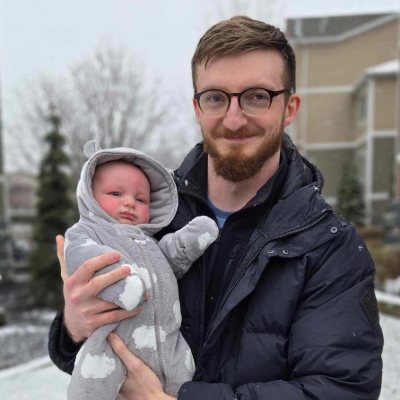
Sean Rutter, a member of the Idaho Air National Guard and a previous active duty United States Air Forceman, has been awarded $1,000 through the Military Veteran Scholarship. Sean, who is also a husband and father, is passionate about making healthcare more accessible to rural communities and improving the management of underserved healthcare systems.
Read Their Essay Here:
My transition out of active duty into the guard component in the United States Air Force was one of the most challenging periods of my life. My wife and I returned from overseas to a state where we knew no one, with no guaranteed employment, while she was six months into a high-risk pregnancy. In those uncertain months, I learned firsthand what it means to fall through the cracks of a system and that experience fundamentally shaped my commitment to healthcare administration and rural healthcare reform.
During my time in the Air Force, I served overseas as a financial analyst, work I found intellectually engaging and professionally rewarding. I appreciated the precision required, the problem-solving, and the impact of sound financial decisions on mission success. However, a shadow day with Air Force healthcare administrators opened my eyes to a different kind of impact. I watched these leaders navigate complex challenges that directly affected service members' wellbeing. Managing budgets, yes, but also coordinating care, advocating for resources, and ensuring that every person under their responsibility had access to quality healthcare. The breadth of their responsibilities fascinated me, but more importantly, their work connected directly to improving lives in tangible, immediate ways.
That realization stayed with me through our difficult transition. When my pregnant wife and I needed support most, I understood viscerally how critical accessible, well-administered healthcare systems are to vulnerable populations. Coming into a new state and needing to find a new doctor and delivery hospital would have been much more challenging without the help of the admin staff at our clinic. This experience crystallized my decision to pursue healthcare administration. I wanted to combine my financial acumen with a mission that centered on people rather than spreadsheets.
The military taught me two essential leadership principles that now drive my career goals: advocate for yourself, and check in with your people because you never know what they're going through. These lessons are particularly relevant to my focus on rural healthcare reform. Rural communities face disproportionate barriers to healthcare access, such as hospital closures, provider shortages, and limited specialty services. These aren't just statistics; they represent real people facing crises without adequate support, much like my family once did.
My education in healthcare administration is equipping me with the tools to address these systemic challenges. I'm learning how to optimize resource allocation, implement telemedicine solutions, recruit and retain healthcare professionals in underserved areas, and navigate the complex regulatory environment that often hinder rural healthcare delivery. My military background in financial analysis gives me a unique advantage in understanding the economic pressures rural hospitals face while maintaining my focus on the human impact of administrative decisions.
I plan to use my education to work directly with rural healthcare systems, helping them become financially sustainable while expanding access to care. Whether through innovative staffing models, strategic partnerships, or creative use of technology, I'm committed to ensuring that geographic isolation doesn't determine health outcomes. My military service taught me that effective leadership means taking care of your people and now, my mission is to extend that care to communities that have been underserved for far too long.
Contact Our Firm